
With so many trailer types available — utility, dump, enclosed cargo, gooseneck, car haulers, and equipment trailers — it can be overwhelming to figure out which one is right for your specific needs. The good news is that choosing the right trailer doesn't have to be complicated if you focus on a few key questions.
1. What Are You Hauling?
The most important starting point is your cargo. Different trailers are designed for different loads:
- Loose materials (mulch, gravel, debris): A dump trailer lets you unload quickly without manual shoveling.
- Equipment (skid steers, mini excavators): An equipment or lowboy trailer provides the ramp access and deck strength you need.
- Furniture, tools, or valuable goods: An enclosed cargo trailer protects contents from weather and theft.
- General yard work and landscaping: A utility trailer is versatile, affordable, and easy to tow.
- Vehicles and race cars: A car hauler — open or enclosed — is purpose-built for auto transport.
2. How Much Weight Do You Need to Move?
Every trailer has a Gross Vehicle Weight Rating (GVWR) — the maximum weight the trailer can safely carry. Before you buy, know the weight of your typical load and choose a trailer with a GVWR comfortably above that number. Overloading a trailer is dangerous and illegal.
Pro tip: It's generally better to size up. A trailer rated for more than you need gives you flexibility for future loads and extends the trailer's working life.
3. What Vehicle Will You Use to Tow?
Your tow vehicle sets the ceiling for what you can pull. Check your vehicle's tow rating — available in your owner's manual or door jamb sticker — and never exceed it. Key considerations include:
- Hitch class: Half-ton trucks typically handle Class III or IV hitches. Heavy trailers may require a gooseneck or fifth-wheel setup.
- Brake controller: Trailers over a certain weight require electric trailer brakes and a controller in your truck.
- Payload: Your truck's payload rating matters too — the tongue weight of a loaded trailer counts against your payload.
4. How Often Will You Use It?
Frequency of use affects the value equation:
- Occasional use: Renting a trailer may be more economical than buying. We offer flexible daily, weekly, and monthly rentals.
- Regular use: Ownership makes more sense, and financing can spread the cost over time.
- Daily commercial use: Invest in a heavy-duty trailer built for high cycle rates and commercial-grade wear.
5. Open or Enclosed?
Open trailers are lighter, more affordable, and easier to load. Enclosed trailers cost more but protect cargo from weather, theft, and road debris. If you're hauling equipment or bulk materials, open is usually fine. If you're hauling finished goods, tools, or anything sensitive to the elements, enclosed is worth the investment.
Our Recommendation
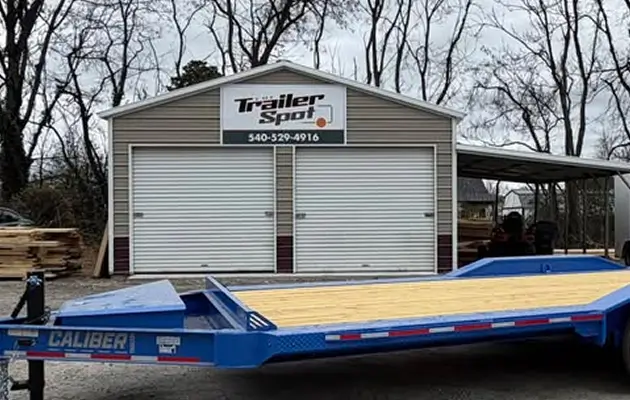
The best trailer is the one matched precisely to your most common task — not the biggest or most expensive one on the lot. Stop by The Trailer Spot in Rustburg, VA and our team will walk you through your options, ask the right questions, and help you find a trailer that works for your budget and your work.
We stock utility, dump, enclosed cargo, gooseneck, equipment, car hauler, and tilt trailers from top brands including NorStar, Iron Bull, Big Tex, and Sure-Trac. Financing and rent-to-own options are available.